
Dormitory Building Project in Ethiopia
Ethiopia is advancing a range of government-led and private-sector dormitory housing projects to respond to the growing demand for affordable, safe, and sustainable accommodation in rapidly urbanizing areas. Driven by the expansion of industrial zones and higher education, housing shortages have become increasingly evident among low-income workers and students. National programs such as the Integrated Housing Development Program (IHDP), alongside private initiatives using modular and climate-responsive designs, are helping to expand housing supply while improving living standards. These projects place greater emphasis on comfort, sanitation, and indoor environmental quality suited to local conditions. Together, they reflect Ethiopia’s ongoing efforts to balance affordability, livability, and sustainability in urban housing development.

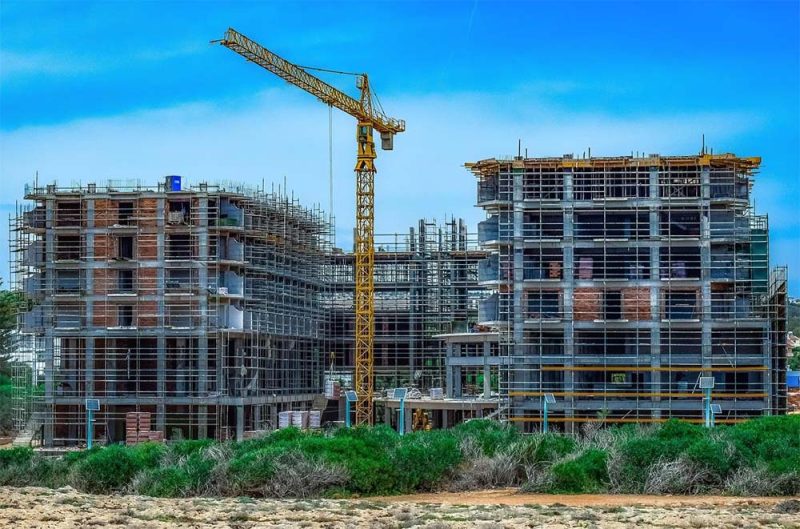
Against this broader industry and policy background, TECON was honored to participate in a dormitory housing project comprising 12 residential buildings, developed to accommodate workers from a local textile factory. The project aims to deliver safe, functional, and comfortable living spaces while meeting the requirements of efficient construction and long-term durability. The basic project information is outlined below:

Project Type: Dormitory buildings
Project Location: Ethiopia
Project Status: Ongoing
System Used: Slab Flex 20 Formwork, Ringlock Scaffolding, Plastic Formwork TP60
Total Formwork Area: 4,000 m2
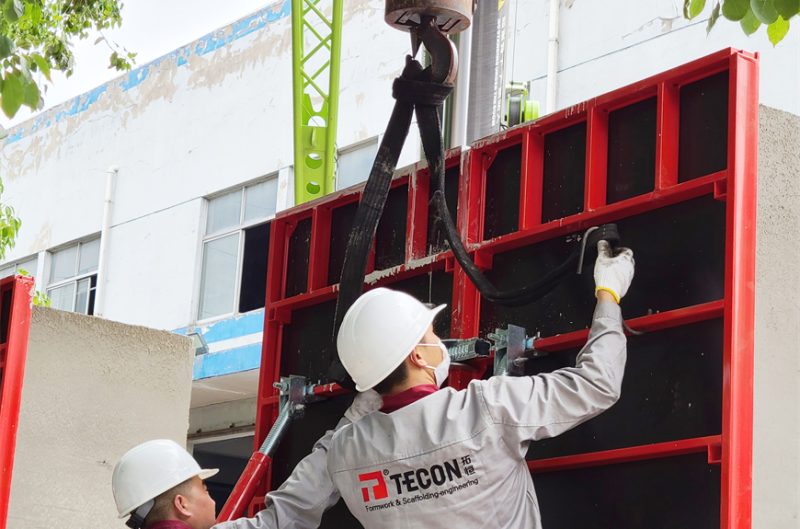
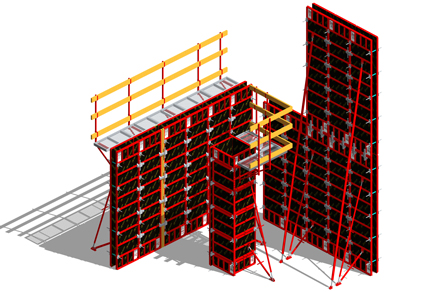
During project execution, the client adopted the Flex 20 Slab Formwork system combined with Ringlock Scaffolding for slab shuttering, while Plastic Formwork TP60 was applied for wall shuttering. At the same time, the Ringlock Scaffolding system also functioned as safe and efficient access platforms, supporting construction activities on each floor.

These three systems share a common advantage in their simple and intuitive assembly, enabling site crews to quickly understand and operate the systems. With Ringlock Scaffolding serving as slab support, the project benefits from enhanced stability compared with conventional shoring props, particularly in multi-storey structures. Moreover, all three systems are well suited to cost-sensitive African markets, where contractors focus on overall value and long-term cost efficiency rather than initial investment alone.

Through this project, TECON demonstrates its ability to deliver practical, stable, and cost-effective formwork and scaffolding solutions for large-scale worker housing developments. By supporting efficient construction and reliable structural performance, TECON continues to contribute to improving living conditions while meeting the evolving demands of affordable and sustainable urban development in Africa.
In this blog